Ghostly Stories
The areas of East Dean, Friston, and Beachy Head in East Sussex, UK, are not only known for their scenic beauty but also for a rich tapestry of ghost stories that have lingered through the centuries. Here are six true ghost stories from these hauntingly beautiful locations.
These ghost stories add a layer of mystery and intrigue to the already enchanting landscape of East Sussex, reminding visitors that the past is never truly gone.
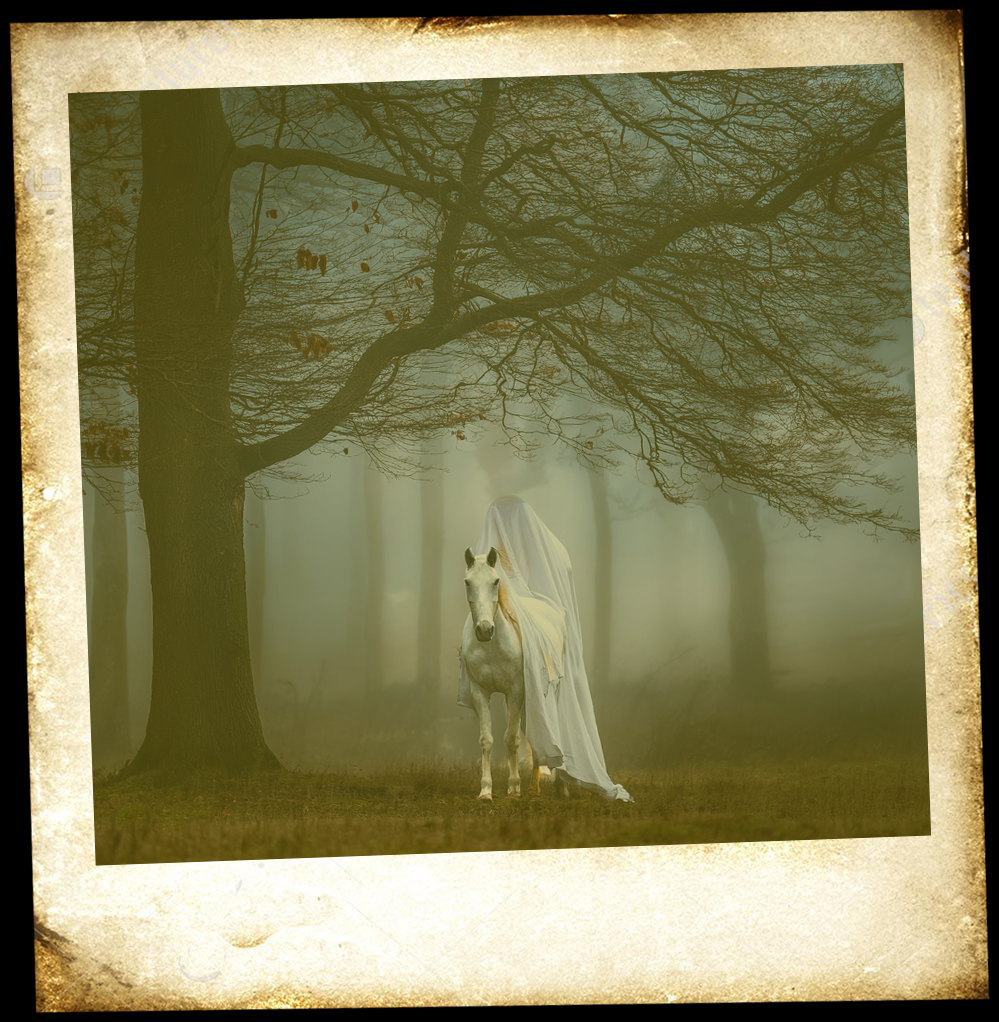
The Headless Horseman of East Dean
One of the most enduring ghost stories of East Dean is that of the Headless Horseman. According to local legend, this ghost is believed to be the spirit of a smuggler who met a gruesome end. Decapitated by customs officers during a violent confrontation, his ghost is said to ride through the village on stormy nights, searching for his lost head. The sound of hoofbeats echoing along the dark lanes of East Dean is a chilling reminder of this spectral rider’s quest for vengeance.
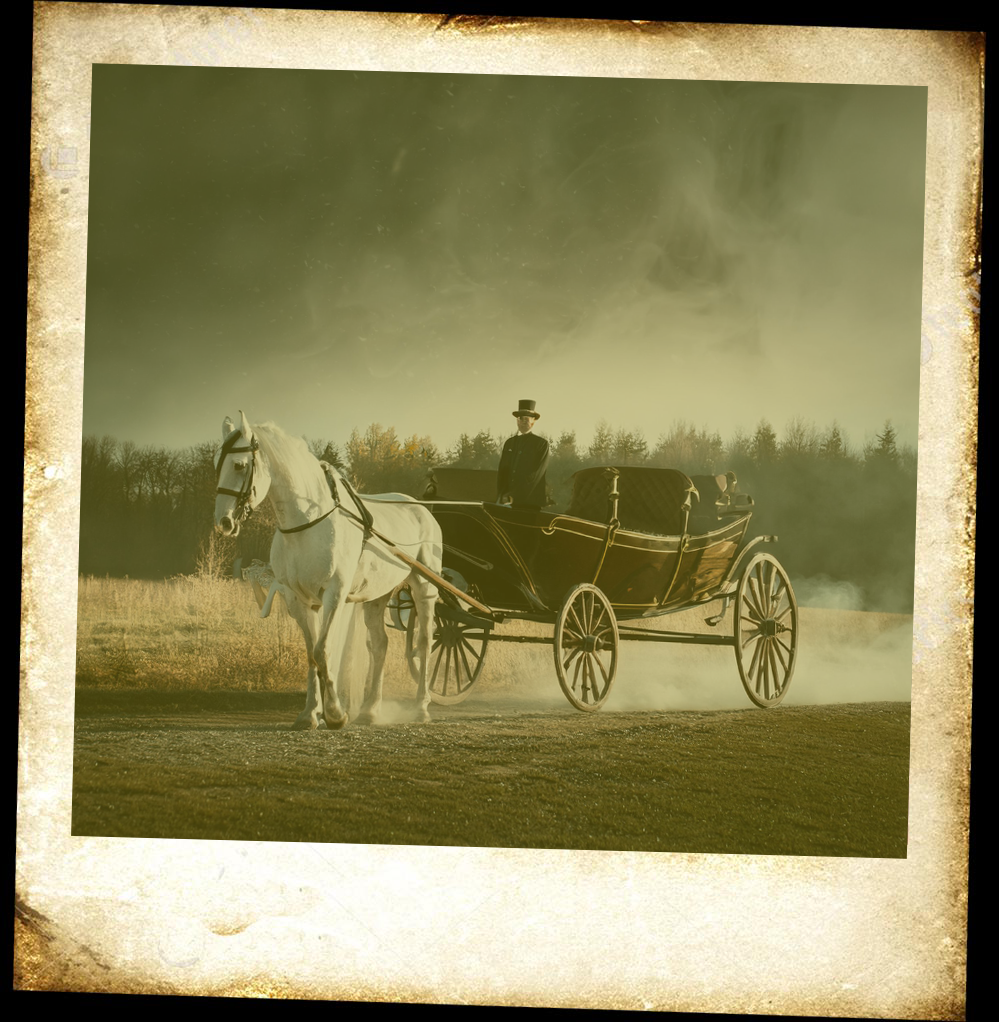
The Phantom Coach of Friston
Friston, a village near East Dean, is home to the legend of the Phantom Coach. Witnesses have reported seeing a ghostly horse-drawn carriage, complete with a coachman, racing along the old roads before suddenly vanishing into thin air. Some say this spectral vehicle is linked to a tragic accident that occurred centuries ago, where a coach careened off the road, killing all its passengers. The ghostly carriage is said to reappear on foggy nights, forever repeating its doomed journey.
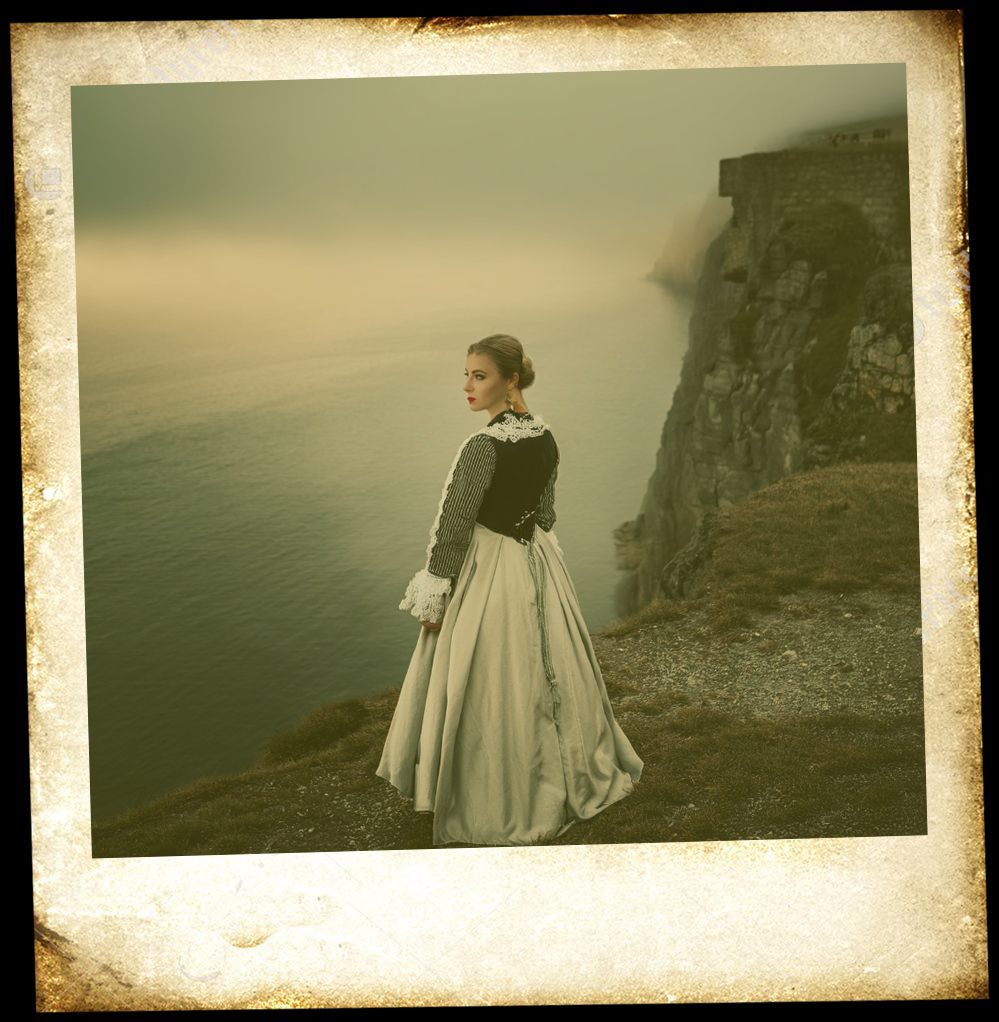
The Ghost of Birling Gap
Birling Gap, with its rugged cliffs and panoramic views, is not just a place of natural beauty but also a site of eerie occurrences. The most famous ghost here is that of a young woman dressed in Victorian clothing, who is often seen standing at the edge of the cliff. According to legend, she is the spirit of a woman who threw herself off the cliffs after her lover died at sea. Visitors have reported seeing her figure, always looking out to sea, before vanishing without a trace.
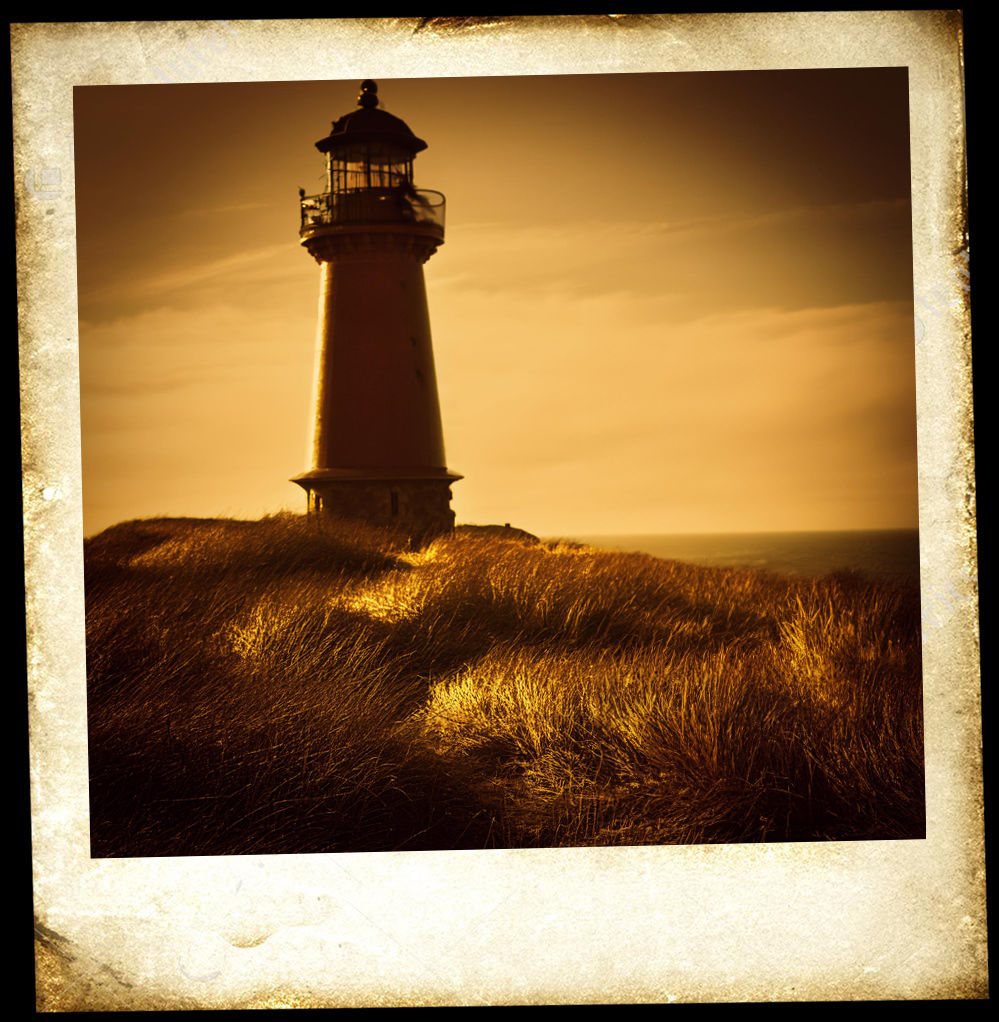
The Haunted Lighthouse at Beachy Head
Beachy Head is home to one of England’s most iconic lighthouses, and it is also said to be haunted. The spirit of a former lighthouse keeper is rumored to haunt the area. He is believed to have died under mysterious circumstances, and his ghost is said to still walk the cliffs, sometimes appearing inside the lighthouse itself. On stormy nights, visitors have reported hearing footsteps and seeing a shadowy figure near the lighthouse, despite it being long decommissioned.
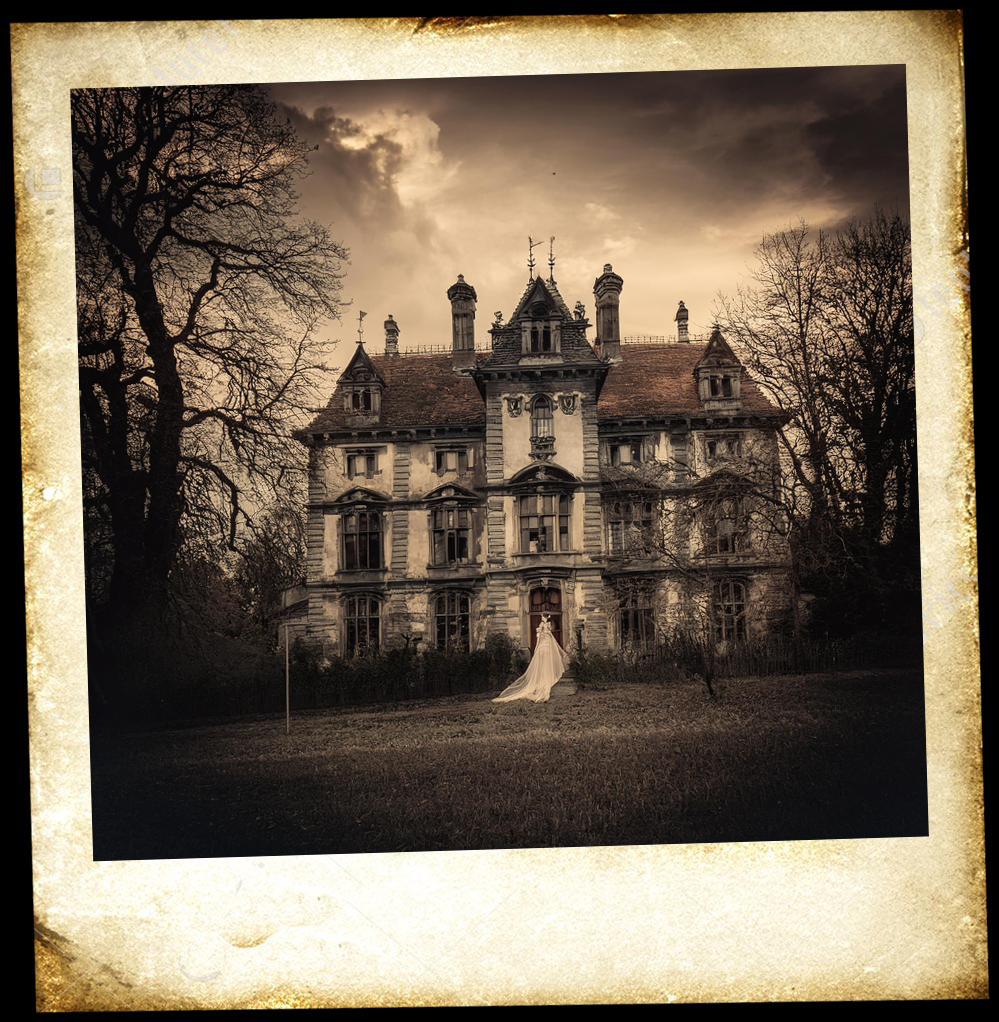
The Spectre of the White Lady at Friston Place
Friston Place, a historic manor house, is said to be haunted by the ghost of a “White Lady.” This spectral figure, dressed in flowing white robes, has been seen gliding through the halls of the manor, particularly in the dead of night. According to legend, she was a former lady of the house who died of a broken heart. Her presence is often accompanied by a sudden chill and the scent of lavender, her favourite flower in life.
History of East Dean
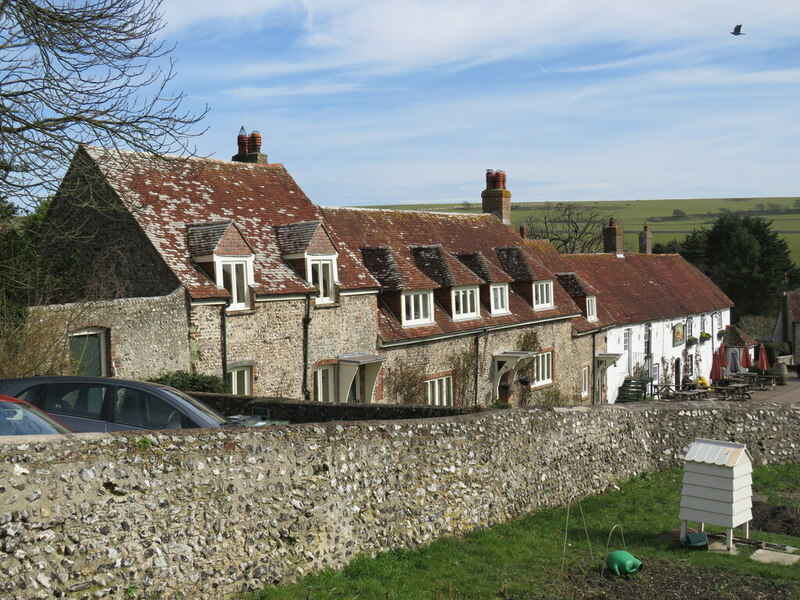
East Dean, a picturesque village nestled in the South Downs of East Sussex, England, is steeped in rich history, legendary smugglers, ghostly tales, and notable landmarks. The village, with its traditional flint cottages and rolling landscapes, offers a glimpse into England’s past while maintaining a strong connection to local folklore.
East Dean’s history dates back to the Saxon period, with its name derived from the Old English words “Est Dene,” meaning “eastern valley.” The village is mentioned in the Domesday Book of 1086, indicating its long-standing significance in the region. Over the centuries, East Dean grew as an agricultural community, with sheep farming and chalk quarrying playing crucial roles in its economy.
East Dean is famously linked with the smuggling activities that plagued the Sussex coast during the 18th century. The village’s proximity to the English Channel made it an ideal spot for smuggling operations. The most notorious smuggler associated with East Dean is Harry “The Smuggler” Carter, who led the infamous Hawkhurst Gang. This ruthless group was involved in bringing contraband such as tea, spirits, and tobacco into the country, evading the heavy taxes imposed by the government. The gang used the labyrinthine network of underground tunnels that are rumored to connect East Dean with nearby Birling Gap and other coastal hideouts, enabling them to transport goods covertly.
With its deep history, East Dean is naturally a place of ghostly legends. The most famous ghost story is that of the Headless Horseman, said to haunt the lanes around the village. According to local lore, the ghost is the spirit of a smuggler who was beheaded by customs officers after a skirmish gone wrong. His headless apparition is said to ride through the village on stormy nights, seeking revenge on those who betrayed him.
The village is home to several historical landmarks, including the 12th-century church of St. Simon and St. Jude, which stands as a testament to East Dean’s medieval roots. Nearby, Birling Gap offers stunning views of the Seven Sisters cliffs, a natural wonder that draws visitors year-round. The Tiger Inn, a 16th-century pub, serves as a reminder of the village’s past, having likely hosted smugglers during their secretive operations.
East Dean is a place where history, legend, and the natural beauty of the English countryside converge, offering a captivating experience for all who visit